Civil society organizations working on biodiversity conservation, climate resilience, and community-led environmental protection have a new funding opportunity to explore.
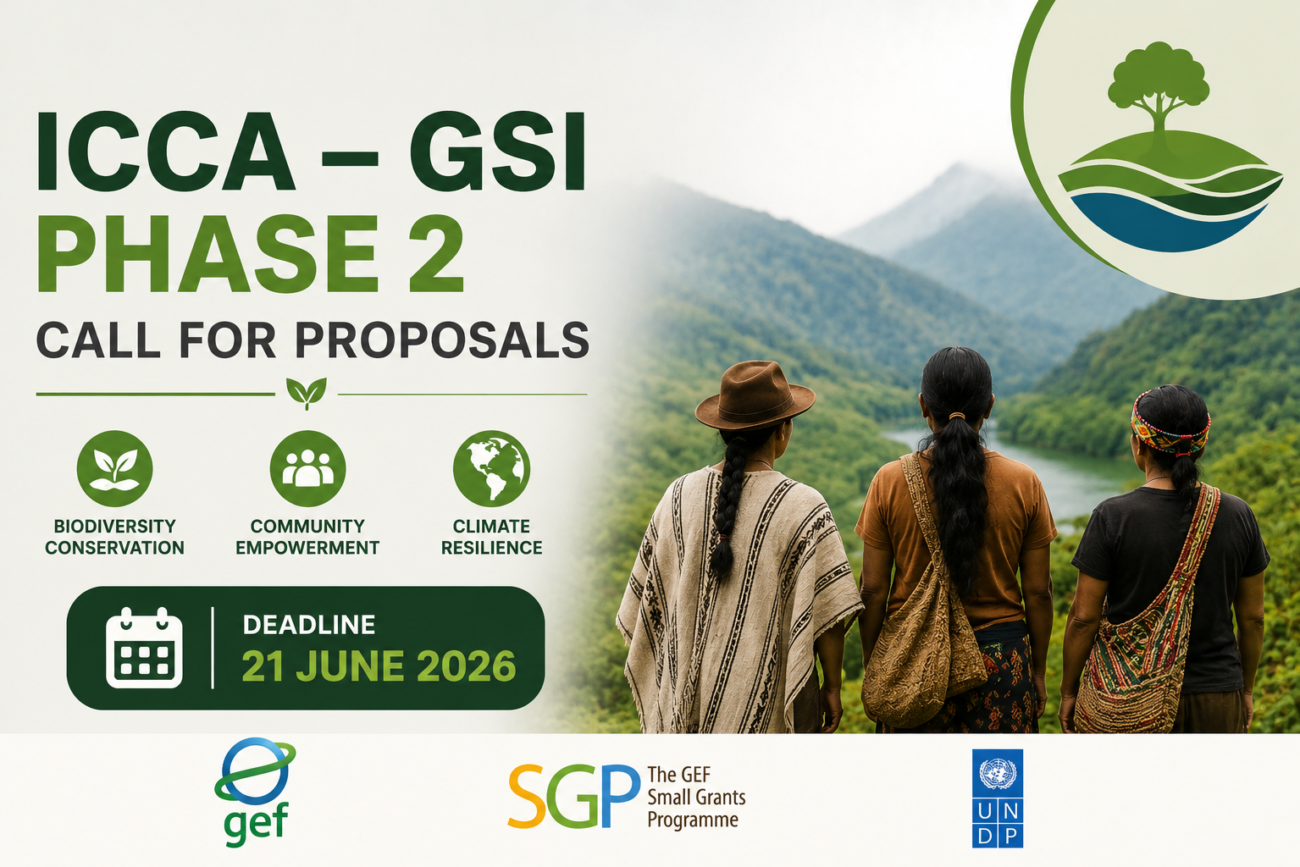
The United Nations Development Programme (UNDP), through the Global Environment Facility Small Grants Programme (GEF SGP), has launched a new call for proposals under the Indigenous Peoples and Local Communities Conserved Areas and Territories Global Support Initiative (ICCA-GSI) Phase 2. Organizations can apply for grants of up to USD 50,000 to support projects that strengthen biodiversity conservation, improve livelihoods, and increase resilience to climate change.
For many local organizations, this is more than just another grant call. It is part of a global effort to support Indigenous Peoples and local communities that play a critical role in protecting ecosystems and biodiversity.
Why This Funding Matters
Around the world, Indigenous Peoples and local communities manage and protect some of the most important ecosystems on the planet.
These areas often contain significant biodiversity, cultural heritage, and natural resources. Yet many communities face growing pressures from climate change, environmental degradation, and limited access to funding.
The ICCA-GSI initiative was created to help address these challenges by providing direct support to organizations working with communities to improve conservation outcomes and strengthen local governance. Since 2014, the initiative has supported efforts to enhance biodiversity conservation, sustainable livelihoods, and climate resilience.
What Is Available?
The call combines two funding opportunities into one programme.
1. Catalytic NGO Grants
UNDP is seeking a well-established local NGO with experience in biodiversity conservation and Indigenous Peoples’ issues.
The selected organization will help support other grantees, provide training, contribute to monitoring and evaluation, and support knowledge-sharing activities.
Maximum funding available:
Up to USD 50,000
Implementation period:
Up to 30 months
2. Regular Grants
Regular grants are available for registered civil society organizations working in or near Indigenous Peoples’ and Local Communities Conserved Areas and Territories (ICCAs).
Projects should focus on:
- Biodiversity conservation
- Climate resilience
- Community empowerment
- Sustainable livelihoods
- Improved governance of ICCAs
Funding available:
- Up to USD 30,000 for community-based organizations, youth groups, women groups, and organizations representing persons with disabilities
- Up to USD 50,000 for NGOs
Implementation period:
Up to 24 months.
Who Should Consider Applying?
This opportunity may be particularly relevant for:
- Environmental NGOs
- Community-based organizations
- Indigenous Peoples’ organizations
- Women’s groups
- Youth-led organizations
- Biodiversity conservation groups
- Climate adaptation organizations
- Natural resource management initiatives
Organizations with a strong track record of community engagement and environmental protection may be especially well positioned.
What Types of Projects Are Likely to Be Competitive?
Although every proposal will be assessed on its own merits, organizations may benefit from designing projects that clearly demonstrate:
- Community participation
- Measurable conservation outcomes
- Climate resilience benefits
- Protection of biodiversity
- Support for Indigenous knowledge systems
- Gender inclusion
- Long-term sustainability
Projects that combine environmental impact with community benefits are often viewed favorably because they align closely with the goals of the programme.
How Applications Will Be Evaluated
According to the guidelines, reviewers will assess proposals based on several factors, including:
- Relevance of activities
- Organizational capacity and experience
- Quality of the work plan
- Budget realism
- Co-financing commitments
- Community engagement
- Demonstrated benefits for both communities and conservation outcomes.
Organizations should therefore focus on presenting realistic, evidence-based proposals that clearly explain how activities will produce measurable results.
Key Deadline
Applications must be submitted by email no later than:
21 June 2026
Only one application per organization will be accepted. Required documents include the proposal form, budget, registration certificate, and a letter of support from a government office or development partner.
Application Tips
Before submitting a proposal:
- Ensure your project aligns with biodiversity and climate objectives.
- Clearly explain how local communities will benefit.
- Demonstrate organizational experience and implementation capacity.
- Include realistic budgets and timelines.
- Identify sources of co-financing where possible.
- Provide strong evidence of community participation.
Many proposals fail not because the idea is weak, but because the application does not clearly demonstrate how outcomes will be measured or sustained.
Why This Opportunity Stands Out
Competition for international environmental funding remains intense. However, this call is notable because it specifically focuses on community-led conservation and recognizes the important role Indigenous Peoples and local communities play in protecting biodiversity.
For organizations already working on conservation, climate resilience, sustainable livelihoods, or community empowerment, this funding could provide valuable support to scale existing initiatives and create long-term impact.
Disclaimer
Research Jobs Hub is an independent opportunity-sharing platform and is not affiliated with UNDP, GEF, or the Small Grants Programme. Applicants should review all official documentation and submission requirements before applying. Information may change and should be verified through official programme sources.
